Post-Traumatic Stress Disorder (PTSD) is a significant challenge faced by many veterans and active-duty military personnel. Traditional treatment methods have proven effective, but the future holds promising advancements. In this blog post, we will explore the potential of sound and visual immersion therapy in combat PTSD treatment, with a particular focus on the innovative startup VRenity. Harnessing the power of virtual reality (VR) technology, VRenity aims to provide a groundbreaking solution for PTSD sufferers.
Understanding Combat PTSD
Combat PTSD, often triggered by traumatic experiences in military service, affects individuals both mentally and physically. Symptoms may include flashbacks, nightmares, hyperarousal, and avoidance behaviors. Effective treatment is vital for veterans to maintain a high quality of life and reintegrate into civilian society.
The Power of Sound and Visual Immersion Therapy
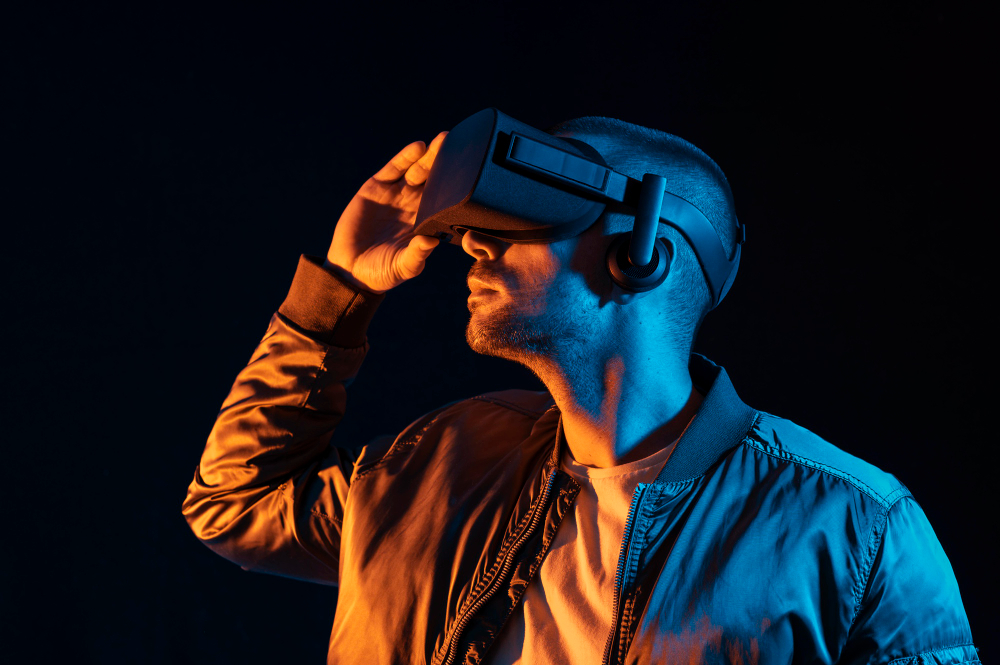
Sound and visual immersion therapy is a cutting-edge approach that leverages the benefits of virtual reality to create a safe and controlled environment for PTSD treatment. By providing immersive experiences, this therapy helps individuals confront and process their traumatic memories in a controlled setting.
VRenity: Revolutionizing Combat PTSD Treatment
VRenity, an emerging startup, is on a mission to revolutionize the treatment of combat PTSD. They are developing an app for current VR technology that combines sound, visual immersion, and evidence-based therapeutic techniques. This app aims to empower PTSD sufferers by providing an accessible and effective treatment option.
By creating virtual environments that simulate combat scenarios, VRenity's app allows users to gradually expose themselves to their triggers and navigate through challenging situations. The immersive experience, combined with therapeutic techniques, helps individuals reprocess traumatic memories, reduce anxiety, and regain control over their lives.
Conclusion
The future of combat PTSD treatment is taking a significant leap forward with sound and visual immersion therapy. VRenity's innovative app harnesses the power of VR technology to provide an accessible and effective treatment option for PTSD sufferers. By offering a safe and controlled environment for individuals to confront and reprocess their traumatic memories, this therapy has the potential to transform lives. As research and development in this field continue to progress, sound and visual immersion therapy may become a key tool in the fight against combat PTSD, offering hope and healing to those who have sacrificed so much for their countries.
Sources:
American Psychiatric Association. (2013). Diagnostic and Statistical Manual of Mental Disorders (5th ed.). Arlington, VA: American Psychiatric Publishing.
National Institute of Mental Health. (2020). Post-Traumatic Stress Disorder. Retrieved from https://www.nimh.nih.gov/health/topics/post-traumatic-stress-disorder-ptsd/index.shtml
Image Source: Image by Freepik
 Nerdle


 Nerdle : Jan 7, 2024, 12:13:39 PM

 John S Bulldis